Why Some Buck Stand Sites are Productive More Than Once — Part II

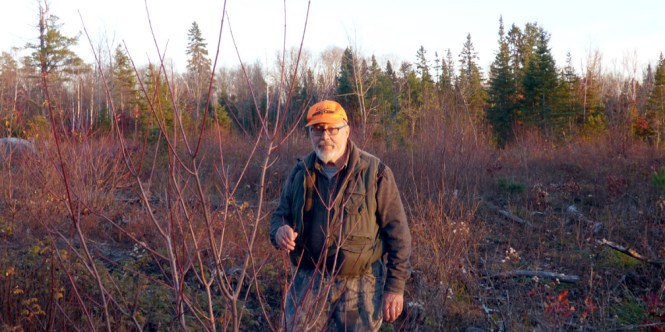
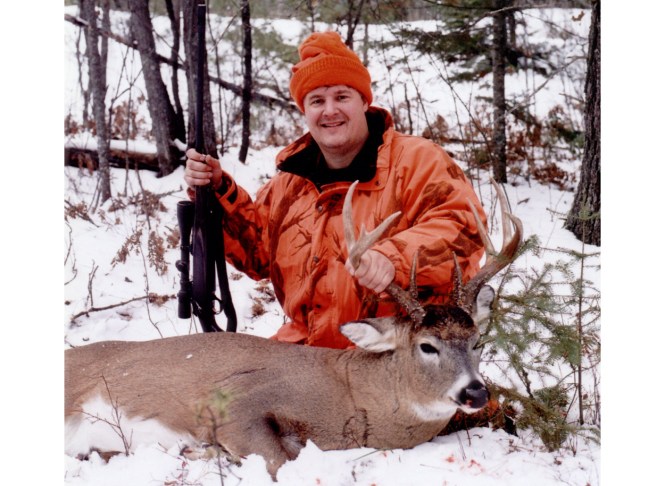
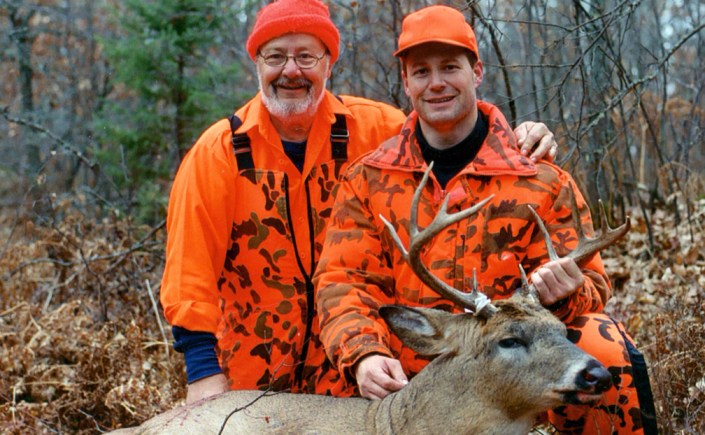
Ken with 5th opening morning buck taken at another stand site.

As I mentioned in my previous blog, identifying a stand site where you are very likely to take a mature buck is one thing, but identifying one where you are likely to take a buck during following years is quite another. Being “very difficult, if not impossible, for a buck to identify and subsequently avoid” was one of the three most important contributing factors explained in my previous blog.

Reason #2 is “very limited use.” This is rarely if ever even thought of by stand hunters. Get a decent buck at one stand site and they’ll use it daily for years. The stand site described in my previous blog, is still only used 5–6 hours (1-2 hours when a buck is taken) once or sometimes twice (used five or more days later if used a second time) per hunting season. Nothing destroys the hunting value of a stand site more quickly and more assuredly today than day after day use, especially if the hunter is likely to be easily identified by nearby deer via sight, hearing or smell while approaching or using the stand site. Yes, I know, all you one-stand-per-hunting season hunters are now shaking your heads. If you are interested in proving the above is true, start using one different, well-located stand site 100 yards or more away from any of the other well-placed stand sites you plan to use one day each this fall.

Reason #1 is really different: “Dead bucks tell no tales.” My son. Ken, and I used to kid about this, but I am now inclined to believe there more to this than I originally imagined. If you are a veteran whitetail hunter, think of all the times you goofed up when a big buck was near, making it snort and/or raise its tail and bound away with all possible speed. Did you ever see the same buck near any of those sites again? Of course not. For that matter, did you see any other deer near any of those sites again? Considering there are 15-30 deer living in every square-mile where you hunt, doesn’t it seem strange that all those other deer could be avoiding the same spot as well? It happens because whitetails readily imitate actions displayed by other deer that are alarmed deer, even if they do not understand why the other deer are alarmed. Whether learned first hand or second hand, all deer within a square-mile can eventually learn to avoid a spot where only one was originally alarmed.

Almost every buck taken by my son, Ken, at his two most productive buck stand sites were very near and unsuspecting when he fired. Two were bounding past at top speed but he dropped them as neatly as canvasbacks winging downwind over his decoys. You’d think the single report of his 7 mm Magnum would have had a lasting affect on the hunting value of these stand sites, but nearby deer must have concluded, which isn’t uncommon, they had merely heard a clap of thunder.

The first of Ken’s two favorite stand sites was on the far side of a flooded alder swamp atop a steep-sided granite knob about fifty feet tall with a single jack pine growing in a bed of moss on top. Though many deer trails surrounded this knob in the dense forest below, it overlooked a feeding area on its west side snd a doe bedding area was located 150 yards southwest of the site, no deer signs of any kind, tracks, droppings or urine in snow, were ever discovered on its rounded ten-foot-diameter summit. Apparently deer were not inclined to scale its steep sides, likely slippery when snow covered, making it very difficult for whitetails to discover as a stand site to avoid. All bucks were taken at this site on opening day, usually shortly after lunch while Ken was the downwind hunter and another hunter sat upwind of the doe bedding area (using a small-group hunting method I created called “The Gentle Nudge,” generally set up after discovering nearby “railroad tracks” in snow made by a buck under the influence of doe-n-heat pheromone). This stand site was used only about six hours during one day per hunting season. It’s hunting value finally ended when the mature doe of the surrounding doe home range changed its bedding area, lying where it could keep an eye on Ken’s approach trail coursing across the flooded alder swamp.

His second, five-buck stand site was different. There Ken used a portable tree stand strapped to the trunk of a huge quaking aspen at the edge of a five-acre stand of red oaks. To get there in the dark he had to cross a wide expanse of spruce trees called “Boot Suck Bog.” On the far side he climbed the steep side of a rocky hill, beyond which he could step softly along a mossy deer path through dense evergreens that didn’t open up until he was standing at the base of his stand tree. Whereas whitetails accustomed to eating acorns from white oaks might consider red oak acorns to be disgusting fare, bucks that visited this five acre stand each year relished them to the degree that they neglected to notice the seated silhouette of a motionless, camo-blaze-orange-clad hunter masked by surrounding pine boughs in a nearby aspen tree. This stand site was only approached from downwind and only used 1–2 hours per opening morning, All five bucks were moving slowly or standing still well within 50 yards when Ken’s single echoing shot announced to the rest of us in our gang he had done it again. Following the taking of that 5th buck at that same site, no deer have ever been seen at the same site .

Today it is our constant goal to preserve the hunting value of previously productive stand sites. We do this by 1) finding stand sites that will be difficult for bucks (and other deer) to personally discover and can be approached without being positively identifying by nearby feeding deer, 2) greatly limiting the use of productive stand sites (like having money in the bank for following hunting seasons), 3) doing our best to avoid alarming any deer near a stand site, 4) not allowing a desirable quarry to escape, remembering, dead bucks tell no tales and mature whitetails have excellent memories, and 5) thereafter keeping as silent as possible while hauling a buck (dragged lashed to a plastic toboggan) from the vicinity of a productive stand site.
 

Why Some Buck Stand Sites are Productive More Than Once — Part I

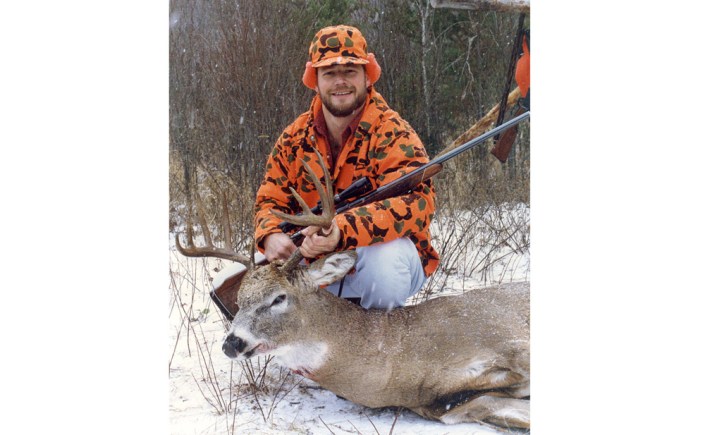
Ken with 5th opening morning buck taken at one stand site

The fifty-yard-long section of an old logging trail not yet taken over by the surrounding forest reeked with signs of a big buck. In deep grass at the center was a freshly renewed, six-foot diameter ground scrape with clumps of sod scattering up to ten feet away on one side. Two trails intersecting near the scrape were deeply pockmarked with fresh, four-inch-long deer tracks and scattered clumps of shiny inch-long droppings. A bright, four-inch-diameter antler on an aspen at one end of the opening and a six-inch-diameter rub on a pine near the other end made it obvious this secluded deepwoods hideaway was much coveted by an enormous buck. At 9:45 AM two weeks later a 300-plus-pound 12-pointer emerged from the dense evergreens on the left side of the opening and halted next to the scrape. My neck shot dropped it in its tracks.

Though other mature bucks have continuously lived in this area since that day, subsequent stand hunting at that particular site has been a total waste of time. Maybe the wolf-like racket and an incredible accumulation of human scents made by my gang of jubilant hunting partners who insisted on accompanying me back to the site to see the big buck, take some photos and help drag it back to camp had something to do with it. Maybe the site simply failed to impress other older bucks that since adopted the 12-pointer’s home and breeding range. Whatever the reason, the short history of a once great stand site is a common tale in the annals of whitetail hunting. There is hardly a hunter in America who has taken a big buck, including myself, who could resist the urge to sneak back to the same stand site the following opening morning. Unfortunately, it’s rarely worthwhile, unless you happen to be my son, Ken. He has found and used two stand sites where he took ten mature bucks (five at each), some for the wall, ten opening days in a row.

Keep in mind, I’m talking about hunting mature bucks only here. I currently have several stand sites where I am certain to enjoy watching mature does, fawns, yearling does and yearling bucks feeding one or more times per hunting season. If all I was interested in was venison, I think I could easily fill my freezer annually without adding a single new stand site.

Studying probable reasons why some of our stand sites were productive for taking a mature buck only once, why others were productive twice in 3–5 hunting seasons and why two were productive five years in a row has been an eye-opening exercise. Eight reasons why some stand sites are likely to be to be productive for taking one mature buck were explained in previous blogs, but trying to pin down reasons why a certain few provide opportunities to take mature bucks annually up to five years in a row has been difficult. Thus far I have come up with three probable reasons. Two are unusual. I’ve never heard them mentioned by other hunters before. Now all I have to do to make sure these reasons are significant is keep track of them for a decade or so (assuming I’ll live that long). Meanwhile, I’ve decided not to wait to spill the beans.

Take reason #3: each of our four best stand sites for taking multiple bucks could or still can be reached without the hunter being positively identified by nearby deer. This is a no-brainer, though probably the most difficult challenge a whitetail hunter faces. Stand sites with such an advantage are difficult to find.

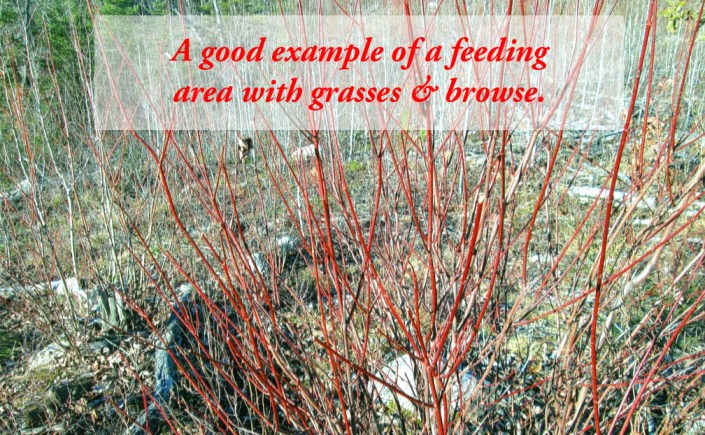
Here’s an example of one of the most productive buck stand sites (though not annually productive) during the past fifteen years in my hunting area. To begin with, it can only be reached via a rugged two-mile hike. To get there on time in the morning — 30 minutes before first light — the hunter must depart from camp in darkness at 5 AM. The final 100 yards zigzags up a particularly high and steep slope through very dense trees and brush and then levels off through a maze of fallen trees up to eight trunks deep. At the top of the slope is flat-topped granite outcropping covered with young evergreens and more fallen trees with a 10–15 foot wall on the west side. Out in front of it is an old clearcut, which also happens to be a favorite feeding area of whitetails throughout summer, fall and early winter. Though sections of it are gradually being smothered by second-growth aspens and evergreens, at least 50% remains relatively open and is covered with grasses and deer-tall browse relished by whitetails beginning in early November. This feeding area is shared by three mature does and their young, fawns and yearlings, that live in adjacent separate home ranges — living lures for mature bucks in fall. It is also a favorite battleground for bucks during September and October. After that, it becomes part of the exclusive domain of the dominant breeding buck, showing up periodically whenever one of the does is in heat.

The hunting value of this west-facing stand site has been well preserved for several reasons. For one, like few other stand sites I know of, there is virtually no chance that a deer in the clearcut is going to positively identify a soft-stepping hunter approaching the stand site via sight or hearing.. For another, it is doubtful any deer has ever visited the stand site, meaning no deer that feeds in the clearcut has a reason to fear the stand site. Add to this the precaution of only using this site while the wind is blowing from the southwest, west or northwest, meaning, no deer in the feeding area has ever smelled a hunter at the stand site.

Productive Scouting — Part VII

Your first goal when selecting and preparing a stand site should be to make your stand site and and yourself as difficult as possible for approaching or passing whitetails to discover. Your second goal should be to make your stand site as productive as possible, more a matter location, location, location. The following seven characteristics I eagerly search for in a stand site these days have provided my hunting partners and me with 25 years of the greatest buck hunting success in 72 years of whitetail hunting:

  1. It was never used before.
  2. It requires very little or no preparation, enabling me to quickly depart and thus minimize human scents at the site.
  3. It could be reached without being positively identified by nearby deer — using a deer trail cleared of dead branches within 100 yards and hidden all the way to the stand by dense forest cover and/or high intervening terrain.
  4. It is within easy shooting distance downwind or crosswind of very fresh tracks and or droppings of a walking (unalarmed) mature buck in or adjacent to a feeding area.
  5. It was within sight of tracks of a buck that dragged its hooves from track to track in snow leading into a feeding area or a doe bedding area (while breeding was in progress).
  6. While no snow covered the ground, it was adjacent to a feeding area near lots of shiny droppings made by mature or yearling does.
  7. It was within sight downwind or crosswind of a freshly renewed ground scrape not approached within 10-20 yards by me — common in the latter half of October and rare but a very deadly buck stand site while breeding is in process in November.

While preparing a stand site these days, the more you move about it and the area where you expect a quarry to appear, the more you handle objects and alter the appearance of the area and the more time you spend at the stand site, the easier it will be for approaching or passing whitetails to identify your stand site via smell before and during the following hunting season. Too much and too long a preparation is too much preparation. Also keep in mind, the more you use a stand site during a hunting season, the greater the intensity of deer repelling human odors will become.

Similarly, the more you do to attempt to lure a mature buck to a stand site, especially one near a ground scrape freshly made or renewed by a dominant breeding buck — using a lure scent, a call or rattling antlers, for example — the easier it will be for that buck to discover you while still a safe distance away. Allowing a freshly renewed ground scrape to be your only lure, keeping well away from it, remaining absolutely silent at your downwind or crosswind stand site and moving very little and very slowly is deadly, mature-buck-effective stand hunting.

There’s more, a lot more. To assure success, both you and your stand should:

  1. Not appear obviously different from your surroundings.
  2. Your portable tree stand or your stool and/or blind used at ground level and your large and dark silhouette should not be easy to spot against the sky or a snowy background.
  3. Whether in a tree or on the ground, or whether using a bow or firearm, sit while stand hunting and remain seated while firing your weapon.
  4. Movements you must make while preparing to fire at a deer should be well masked by intervening cover.
  5. The bright skin of your head should be covered with a camo headnet or mask (cap on top).
  6. While archery hunting, your body should be covered with dark camo clothing — no white or light colors quickly noticed when seen moving by nearby whitetails.
  7. While firearm hunting, your upper body should be covered with camo-blaze-orange clothing and cap.
  8. Your hands should be covered with dark or camo gloves.
  9. Nothing on or about you should reflect sunlight.
  10. Whether using a tree stand or a natural or man-made blind at ground level, never stand hunt at the edge of a feeding area (or bedding area or very near a trail). Always set up 10–20 yards or farther back from the edge where well hidden in surrounding timber.
  11. Rather than create a shooting lane between your stand site and the feeding area, a dead giveaway to mature whitetails these days (illegal in Minnesota), always select a stand site with a natural shooting lane or two or more natural shooting windows (clear holes through intervening cover).

Though you may not see as much of the feeding area as you’d like to while hidden back in the timber, you, your necessary movements and your stand site will be far safer from discovery by approaching or passing deer. The hunting value of your stand site will likely last longer as well. Moreover, almost every deer you see will be unsuspecting and moving slowly — an easy target. One unsuspecting desirable quarry moving slowly a short distance away, most commonly earned via skilled stand hunting, is worth a hundred deer bounding headlong away through dense cover.

Next Blog: Avoiding being smelled while stand hunting.

Productive Scouting — Part VI

After elevated stands became popular in the 1980s, it only took about ten years for whitetails to quit being unusually vulnerable to this new form of hunting. Such an adaptation in so short a period of time cannot be wholly attributed to annual large scale cropping of vulnerable deer by American deer hunters. The ability of whitetails to discover and avoid hunters using elevated stands back then was learned and still has to be learned by each deer during its first two years of life. Such learning is made possible by a unique whitetail characteristic: an innate eagerness of fawns and yearlings to imitate behavior and habits of older deer, their strict mothers at first and then other older deer.

Today, a newly prepared stand site — elevated or ground level, visible or invisible, occupied by a hunter or not — is likely to be quickly discovered, feared and avoided by whitetails 2-1/2 years of age or older living in the surrounding doe and overlapping buck home ranges. This is attributable to unusual sounds made while installing a metallic portable stand and ladder in a tree, altering the tree and its surroundings to the satisfaction of the hunter and an intense, unrealized concentration of familiar odors characteristic of human deer hunters plus strange odors long emitted by milled wood, sawed or chopped branches, metals. plastics, fabrics, paints, rubber (from boot soles), insect repellent and chainsaw oil and fuel. These odors typically last much longer than scents deposited along a trail by a passing hunter which normally fade away in about four days. Observations of mature whitetails assessing odors at new and long-abandoned stand sites in my study area suggest hunter-related odors are detectable at such sites weeks and months later (perhaps even a year later in some cases).

Responses of today’s mature, stand-smart whitetails upon discovering new stand sites vary. If easily identified via odors and appearances, some older, more experienced whitetails will simply avoid approaching within 100 yards of the site thereafter. Others will thereafter take the time to determine whether or not a human is at the site before approaching or passing nearby, a precaution that can be passed on from generation to generation of whitetails. Several probable record book bucks I have known of were notorious for a much greater response: annually becoming nocturnal or abandoning their home ranges for an entire hunting season soon after discovering hunters preparing stand sites within or adjacent to their square-mile home ranges.

More commonly occurring than most stand hunters realize, upon discovering a non-wandering (therefore non-aggressive) hunter at a stand site, many mature whitetails that have learned they have little to fear from such a hunter as long as they keep a safe distance away will thereafter maintain normal daily routines within the remaining safe portions of their home ranges throughout a hunting season. This is the one great advantage stand hunting hunting has over all other forms of whitetail hunting (though little taken advantage of). After a whitetail has moved a safe distance away from a newly discovered stand hunter, typically without the hunter realizing it, the only damage done is a circular area with a radius of about 100 yards is temporarily abandoned. A simple move to a new stand site 100 yards or more away will put a stand hunter back in an area where whitetails are predictable in location and time. Meanwhile, most mature bucks living in other portions of the surrounding square-mile, free to wander throughout home ranges of does and other bucks, will likely discover every new stand site sometime between the day they are prepared and the first 1–36 hours they are used.

One great handicap of stand hunting is, stand hunters are not stand hunters until they get to their stands. Along the way, they risk alerting or alarming deer and ruining the hunting value of their stand sites. Responses of whitetails upon discovering a hunter hiking to a stand site also vary. If discovered at what an experienced whitetail considers to be a safe distance away (200 yards or more), its response will usually be mild with little or no consequences to future hunting in the vicinity. If a non-hunting hunter, hiking non-stop (not halting to scan ahead for deer) is discovered approaching or passing within 50–100 yards, whitetails along the way are most apt to freeze in cover and wait until the hunter has passed and is a safe distance away before resuming whatever they were doing (feeding, for example), no harm done. If the hunter is obviously hunting, however, sneaking and halting often, mature whitetails along the way will temporarily abandon the vicinity, quickly and noisily or silently with stealth. The first time a lone yearling or fawn and sometimes a 2-1/2 year-old doe (living in its first individual home range with its first fawn) is alarmed enough by an approaching hunter to flee off-range, it is likely to sneak back within 1–4 days. Following a second alarm of this kind, it may not return for a week or more. The first time a buck 3-1/2 years of age or older is alarmed in this manner, it’s probably gone for the remainder of the hunting season.

For scouting in preparation for stand hunting to be productive today, it must be quite different than what was considered necessary 10–20 years ago. Today, the hunter must find multiple stand sites that require little or no preparation (to minimize odors and obvious changes in the landscape) that have approach routes that will make it difficult for whitetails to positively identify the approaching hunter. The reason for this is, whitetails near a stand site that cannot positively identify whatever is approaching via sight, hearing or smell will be curious for awhile but won’t abandon the vicinity. While drawing near a stand site, one loud twig snap underfoot or one fleeting glimpse of most of a hunter’s moving silhouette can instantly spoil the hunting value of that stand site for for taking mature whitetails for the balance of the hunting season.

Productive Scouting — Part V

Unless deer are seen feeding in a farm field or forest clear-cut, a current favorite whitetail feeding area is typically the most difficult of whitetail home range elements for most hunters to identify. This is unfortunate because nowhere else are a skilled stand hunter’s odds for successfully hunting any class of whitetail greater. Finding feeding areas should always be a top priority when scouting preseason.

As mentioned in a previous blog, an unusual number of fresh, off-trail deer tracks and droppings are characteristic of a feeding area. If the hunter has no idea the area ahead is likely a feeding area, however, he or she is likely to cross it without noting it is full of of tracks and droppings. If an area ahead is relatively open, having fewer big trees, allowing the sun to reach the ground and promote the growth of green grasses, clover and leaves and tender stems of various shrubs, I immediately begin wondering if it is a feeding area. My trained eyes then automatically begin searching for other signs such as a lot of red color ahead.

P1000816a

Where I hunt whitetails, a lot of red means there are many red-bark dogwoods and/or sugar maple saplings growing in the opening, two very favorite browse plants of our whitetails beginning the second week in November. Even well before then, whitetails commonly devour the leaves of these shrubs or saplings. Wherever they grow, there always seems to be plenty of grasses, primary foods of whitetails from snow melt in spring until early November.

If deer-tall vegetation ahead is mostly green, the opening smothered by ferns, raspberries, cattails, hazels or second-growth quaking aspens, it’s unlikely to be a whitetail feeding area, at least not the part directly ahead. The red stuff might be buried in deep grasses, however. Moreover, other yet unseen portions of the opening may be okay, a reason for further scouting in the opening. If the trees ahead are oaks, I always inspect the area for acorns on the ground, plus tracks and droppings. If acorns are present you can bet it will be a prime stand site during September through November. Meanwhile as I draw nearer, I begin searching for deer trails, fresh deer tracks and droppings, velvet rubs that were made in early September, rubs and ground scrapes made very recently (shredded bark of rubs still damp) and deep grasses in which I always check for deer beds.

P1000844a

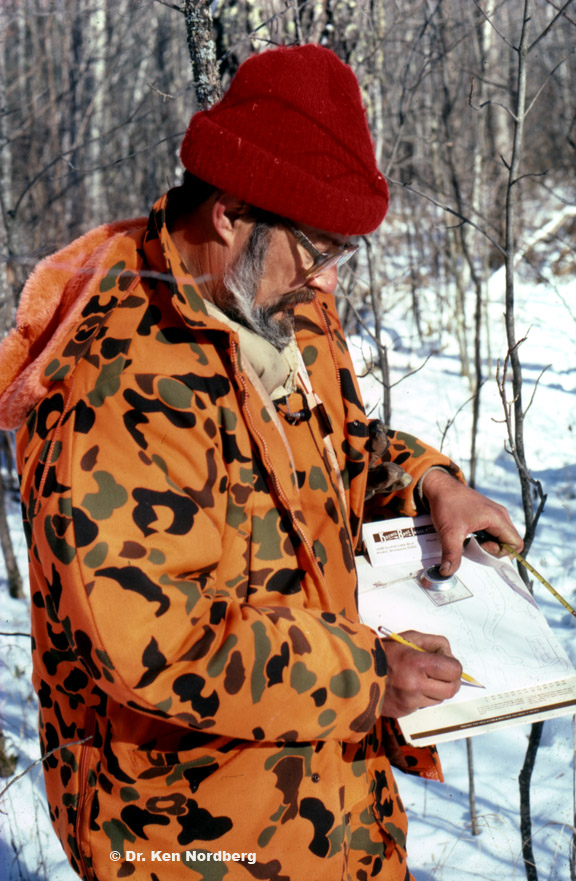
Upon finding fresh tracks and/or droppings, absolute evidence of the presence of deer, out comes my steel tape for some quick measuring, providing absolute evidence of the kinds of deer that made the tracks or droppings. I often add notes of such findings on my map (B3 for 3-1/2 year-old buck, for example, or YD for yearling doe). It being okay to enter a feeding area while scouting early enough preseason, I begin searching for off-trail tracks and droppings in the opening. Lots of them, fresh and old, among common deer foods means I have indeed found a current favorite whitetail grazing area.

browse-03a

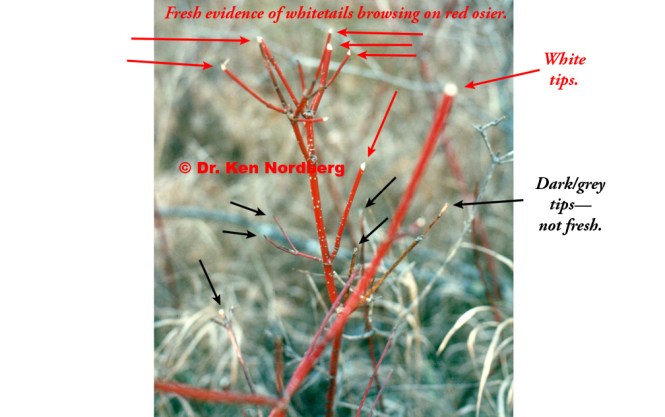
Lots of brown or black ragged tips on stems of woody shrubs with red bark (and on others such as mountain maples or ash or oak saplings) mean the opening was a favorite browse area during the previous November and will be a favorite again this year. Keep in mind, previous favorite browse areas may not be full of tracks and droppings until November. It is not necessary to find 100 sets of fresh tracks or droppings in a current favorite feeding area to decide it will be a prime spot for hunting a mature buck or other deer weeks ahead. Discovering some tracks or droppings within every 10 yards or so along a 50–100 yard course is enough, even if mature buck sized tracks and droppings are not readily found. All it takes to be a likely area to take a big buck in November is a feeding doe soon to be in heat or currently in heat.

Thus is my usual procedure for finding and identifying wilderness feeding areas where I figure my odds will be excellent for taking a mature buck.

At this point I spend no more time in a feeding area, it always being my rule to minimize persisting deposits of fearsome human trail scents out in front of where I plan to hunt later. Too much human scent deposited even three weeks before hunting begins can have a negative effect on the number of whitetails that will be seen feeding there opening morning. With my map and compass in hand, it’s now time to begin searching for a suitable downwind or crosswind stand site or two plus proper approach trails 10–20 yards back in the surrounding timber.

Hey guys, be sure to check my YouTube presentations.

Productive Scouting — Part IV

To take a certain class of whitetail, a big buck, for example, you can randomly wander about (being the easiest of hunters for mature whitetails to identify safe distance away and avoid) until you finally see one or you could sit at a certain spot that seems ideal because from there you can spot whitetails considerable distances away (the kind of area most mature whitetails avoid during daylight hours while hunting seasons are in progress). Wouldn’t it be great if you absolutely knew where that buck is feeding right now, or is likely to feed later today or tomorrow morning or a trail it uses to get to that feeding area? Discovering such things is what productive scouting is all about: scouting thoroughly 2–3 weeks before a hunting seasons begins and scouting along designated trails midday during a hunting season in a manner than does not seriously alarm whitetails.

The ABCs of productive scouting are deer signs. Such scouting began for me in 1970 with the simple realization little deer (fawns) have little hooves, droppings and beds, medium-sized deer (does) have medium-sized hooves, droppings and beds and big deer (mature bucks) have big hooves, droppings and beds. Subsequent years of study revealed five classes of whitetails could be accurately identified by lengths of their hoof prints, droppings and beds and places where specific deer currently feed, water and bed can also be identified by fresh deer signs. Admittedly, my hunting partners and I have taken a few deer with hoof lengths uncommon for their class (about one in ten years including one last year) but throughout the past 46 whitetail hunting seasons we have never allowed rare variances of this kind to cast doubt on the efficacy of fresh deer signs (with or without snow on the ground) for keeping us close to mature bucks during a hunting season. Only once since 1990 have fresh deer signs failed to enable us to take our self-imposed annual quota of four (sometimes five) mature wolf-country bucks.

To simplify what you need to know about deer signs, I have created the following table (applicable to northern whitetails after September first).

Track Lengths Dropping Lengths Bed Lengths
Fawns 2–2-3/8 in. 1/4 in. 30–36 in.
Yearling Does 2-5/8 in. 3/8 in. 38 in.
Mature Does 3–3-1/8 in. 1/2 in. 42 in.
Yearling Bucks 3–3-1/8 in. 1/2 in. 42 in.
Bucks 2-1/2 yrs. old 3–3/8 in. 5/8 in. 45 in.
Bucks 3-1/2–6-1/2 yrs. old 3-5/8–4 in. 3/4–1-1/4 in. 50–56 in.

Tracks, droppings and beds have hunting value only when they have been freshly made. They reveal trails currently used by specific deer. Greater numbers of off-trail tracks and droppings reveal feeding areas and bedding areas used by specific deer. They reveal where specific deer are likely to be seen right now, later today and tomorrow morning. However, because of your hunting (and mine), including stand hunting, don’t count on seeing whitetails 2-1/2 years of age or older on those trails or at these sites after three successive half-days of hunting near them.

Productive Scouting — Part III

08a

Preseason scouting is pushing through brambles or vicious dewberry thorns, hiking through boot-sucking mud, water of unknown depths, shin-tangling vegetation, dead and live tree branches and many places you wouldn’t go while hunting to search for deer trails, tracks, droppings, beds, antler rubs and evidences of feeding amid swarms of blood-sucking insects and ticks. If it wasn’t worth it, I wouldn’t do it, but it is almost always worth it, so I do it, even at my age. While scouting preseason, you need to wear tough clothing and boots and perhaps raingear, a headnet and insect repellent. In a small backpack you carry an enlarged aerial map of your hunting area (downloaded from the internet), a GPS (optional), compass, fluorescent tacks, lots to drink, food, matches, toilet tissue, flashlight (if it gets late), steel tape, bypass pruner and a hatchet. This is one of your most physically exhausting hunting-related activities of the year, but keep in mind scouting is your actual hunt. Hunting is mostly sitting around waiting for what you learned from scouting to happen.

407a

The easiest to find and identify of deer signs are well-used deer trails, made obvious by lots of sharp-edged deer tracks. The first thing to know about deer trails is, most are made and used by mature does and their young, fawns and yearlings (yearlings remain in home ranges of their mothers throughout their yearling year). Deer trails are actually tunnels through cover, kept open by repeated use. Bucks 2-1/2 years of age or older, solitary much of the year, make few identifiable trails of their own. They mostly use doe family trails (tunnels) that are tall and wide enough to allow their taller and wider bodies and antlers (and, incidentally, humans) to pass through with relative silence. Many well-used deer trails are not ordinarily used by older bucks, only those or sections of those on which are found larger tracks (3-3/8 to 4 inches long) and droppings (5/8 to 1-1/8 inches long and clumped) made by older bucks and, in fall, those trails along which bucks make antler rubs and ground scrapes (within doe home ranges). During hunting seasons older bucks travel off-trail more than 50% of the time and all whitetails have at least a dozen routes (connecting trails) to use when traveling from one place to another, from a bedding area to a feeding area, for example. During hunting seasons, these routes can change every half-day, choices depending on wind direction, changing quality of cover (falling leaves), availability of current favorite foods and discoveries of locations of hunters. If you are determined to take a big buck, then, it is a mistake to key exclusively on well-used deer trails upon which there are no fresh mature buck sized tracks and droppings or along which there are no freshly made antler rubs and ground scrapes during the 2–3 weeks before breeding begins in early November.

310c

DVD Case Cover_05

Purchase Doc’s Buck Hunting School DVDs here…

Productive Scouting – Part II

Before hunting, scout, and before scouting, decide on the kind of deer you’d like to take. Why? Because whitetails easy to hunt, require less scouting and field preparations, those moderately difficult to hunt require more scouting and field preparations and those very difficult to hunt require much more scouting and field preparations than you realize. Over the long run in whitetail hunting, you generally get what you earn.

If you plan to hunt opening weekend only, your best bet would be to settle for a mature doe (2-1/2 years of age or older), a yearling (buck or doe) or a fawn. Though some mature does can be as difficult to hunt as older bucks, yearlings and fawns are the easiest of whitetails to hunt. These three classes of whitetails live together in relatively small home ranges, about 125 acres in size, requiring less scouting and field preparations.

Where there are a lot of deer trails and 2–3 inch long tracks (hoofs only) and ¼ to ½ inch droppings, you are in a doe range. Yearling buck tracks and droppings are the same length as those of mature does: tracks (3–3-1/8”) and droppings (1/2”). Where there are few deer trails, you are between doe ranges. There are usually 4–5 of doe ranges in a square-mile to choose from. You’ll only need two new, well-selected stand sites (located near fresh tracks and or droppings of such deer), one for each day of hunting.

If a moderately difficult to hunt mature buck is your intended quarry, settle for a 2-1/2 year-old, 6–8 pointer. To take such a buck, you should plan to hunt 3–4 successive days or two weekends in 1–2 areas about 250 acres in size — the average size of the home range of such a buck. Within this buck’s home range will be 1–2 ranges of mature does with young and all their deer signs plus signs made by the buck: tracks 3-3/8 “ in length and droppings 5/8” in length, likely clumped. Hunting (keying on) such a buck generally requires more scouting and field preparation and 1–2 different stand sites per day of hunting. The effort needed to find and prepare this number of stand sites can be reduced considerably by selecting stand sites and using a backpacked stool at ground level stand sites with adequate natural cover requiring little or no preparation during the hunting season. Beginning on day three, ground level stand sites are more effective than tree stands.

If you are determined to take a trophy-class, 3-1/2 to 6-1/2 year-old buck (one for the wall), you should plan to hunt one big buck, plus one or two backups, in a one square-mile area — the size of the home range largest buck in your hunting area. Also living within this area will be roughly 14–29 other deer: mature bucks and does, yearling bucks and does and fawns. Being regularly successful at taking bucks of this class requires considerable scouting. My sons and I generally scout two or more times (3–4 days each) 2–3 weeks before each hunting season begins. We select 1–2 different stand sites (which can be elevated stand sites), preferably at spots never used before near fresh tracks and or droppings made by a big buck, to be used during the first 2–3 days of the hunting season. Finding more stand sites while scouting preseason is recommended, but most of the additional stand sites we may need during our remaining days of hunting are selected via a special wolf-inspired, no-alarm method of scouting during the hunting season. These stand sites are generally at ground-level (requiring no noisy installation of a portable tree stand), downwind or crosswind of very fresh signs made by a big unalarmed (walking) buck with tracks measuring 3-5/8 to 4”, droppings measuring ¾ to 1-1/8”, likely clumped, and/or a freshly made or renewed ground scrape more than 2’ in diameter.

If you prefer to depend on luck rather than doing all the scouting and field preparations necessary to more regularly take more difficult to hunt whitetails, you should expect to take no more than 1-2 trophy-class bucks (bucks for the wall) during your lifetime of whitetail hunting.

Next blog: gear and what to look for.

How to Make Still-hunting a Great Way to Hunt Whitetails — Part II

It being nearly impossible for still-hunters to avoid being easily recognized by experienced whitetails 100–200 yards away, the next best thing to do, aside from making your footsteps as silent as possible (never dragging boot heels) is quit sounding as if you are hunting. Rather than stop often to scan ahead, don’t stop at all between spots to sit still for a while.

Having 36 years experience as stand hunter who regularly takes mature bucks, and having amassed a consider number of observations of reactions of mature whitetails being approached by hunters since 1970, the tip I will now share with you is absolutely true. Whitetails of any age that cannot positively identify you as a hunting human via your approaching footsteps will not abandon the area — a feeding area, for example. They may move off a bit and remain hidden for a while, but rather than react with alarm, they’ll generally react with curiosity, anxious to discover what is making those difficult to hear sounds. If you approach from downwind or crosswind via a deer trail relatively clear of dead branches (cleaned preseason) that courses through dense cover or is hidden by intervening terrain, walking softly and not halting along the way — thus making sounds that indicate you are not hunting and therefore likely harmless — those deer will nonetheless wait to make sure of this before resuming feeding. After making it very difficult if not impossible for those deer to identify you via airborne scents, motions or sounds while walking your stand site, if you then become absolutely silent and move your head very little and very slowly, within 30 minutes those curious deer will decide whatever you were you were not dangerous and likely no longer near, after which they will resume feeding, then becoming visible and moving slowly — easy targets.

Ground_Blind_07_2003_8pt_04_2a_med

To be a regularly successful still-hunter, then, you should walk non-stop as silently as possible from a place where you sat still for a while to the next place to be still for a while. How long should you remain still at each of these places? Normally, as you now realize, your odds for success will only begin to improve after your first thirty minutes of being still has passed. For each hour you remain silent and still, your odds for success will usually peak only during the final thirty minutes. Surely you can sit patiently enough to enjoy thirty minutes of much improved hunting odds during every sixty minutes you sit still.

2003Buckb

The best places to sit still for an hour are 100–200 yards apart, sites where there are fresh deer tracks and droppings nearby, upwind or crosswind, and where you will be well hidden (while wearing a camo headnet) by natural, not recently altered cover with a solid background at ground level — easily, comfortably and silently done by sitting on a back-packed stool. Rather than merely attempting to improve your odds for hunting success by wandering greater distances during a day of hunting, you will actually much improve your odds by becoming very difficult for those 15–30 deer living in the square-mile mile ahead to identify and avoid you. On the average, eight or more of those deer will be within easy shooting distance of some of the places where you sit still per mile you proceed on foot into the wind or crosswind. Imagine that! Before long you will be thanking that unknown guy who long ago invented such a great way to hunt whitetails. Though other hunters, especially stand hunters, in the area may not thank you, they should because unlike other still-hunters you won’t be chasing deer out of the area, giving everyone a better chance for hunting success.


Hey Guys, don’t miss my latest You Tube presentations

How to Make Still-hunting a Great Way to Hunt Whitetails — Part I

Today there are still a lot of whitetail hunters who can’t stand the thought of sitting in one place for hours at a time. Such hunters prefer to keep moving on foot, calling themselves still-hunters. The trouble is, today’ popular form of still-hunting is not particularly productive for taking mature whitetails. It can be made more productive, but to understand how, it is important to understand why today’s still-hunting is not particularly productive. Having been an avid still-hunter for more than a decade (beginning in 1960), I am qualified to describe it as a restless walk in the woods, in the process frightening an awful lot of deer enough to make them abandon their ranges and/or become nocturnal early during a hunting season. Ironically, little about still-hunting today can be mistaken for anything having to do with the word “still.” Occasionally halting to scan ahead while sneaking or walking like most still-hunters imagine it should be done fools few if any whitetails older than fawns or yearlings. No hunter is easier for mature whitetails to identify via hearing and seeing within 100–200 yards and thereafter avoid. It’s the reason still-hunters today can wander throughout an entire square-mile of whitetail habitat without seeing any of the usual 15 to 30 deer living there. Whoever originally coined the name of this method of hunting obviously had something more in mind. When the word “still” in still-hunting includes being still for a while, still-hunting can actually become a very productive way to hunt whitetails.

As even most stand hunters fail to realize, it is nearly impossible for tall, heavy, big-footed humans to walk through the woods without making sounds and movements easily recognized by mature whitetails considerable distances away. Sounds made by a typical still-hunter not only reveal the hunter is a human, but worse, a dangerous deer hunting human. A human who sneaks or walks softly and often halts to scan ahead, occasionally changing direction, makes sounds very similar to those made a stalking or trailing wolf or bear, though much louder and more frequent. A hunter often stopping in the woods sounds nothing like a feeding deer like most still-hunters imagine. Dead branches frequently snapping loudly means a human is approaching. Bears, wolves and even moose rarely make such sounds — just soft footsteps with very infrequent, very soft twig snaps. Moreover, experienced whitetails know motions made by something taller than a walking bear or wolf can only be made by a human or a moose. The difference in appearance between the two is so great that a positive identification is quickly made by all experienced deer.

To add to a still-hunter’s failings, everywhere the hunter wanders, he or she lays down a yard-wide trail of scents most feared by whitetails, easily smelled and recognized four or more days afterwards.

159eEvery whitetail along the way that raises it tail and bounds away lays down a trail of ammonia-like scent emitted from its tarsal glands which also can be smelled up four or more days by other deer. This odor warns all downwind deer within 200 yards something dangerous is near.

Stand_Site_Locator

Meanwhile, wherever the hunter walks, airborne scents characteristic of human hunters only, including human breath and the strong odor emitted by rubber boot soles, sweeps across the landscape within a triangular area up to 200 yards wide 200 yards downwind.

Don’t miss Part II or my latest You Tube presentations.